

Table of Contents
- Sollte man Mitarbeitern kostenlose Parkplätze anbieten oder Gebühren verlangen?
- What legal and tax regulations apply to employee parking spaces?
- What taxes apply to employee parking spaces that require a fee?
- What factors influence the decision to pay or not pay parking fees?
- What billing models are available for employee parking spaces?
- What are the arguments in favor of free employee parking spaces, and what are the arguments in favor of paid ones?
- Conclusion: Paid company parking is a matter of weighing the pros and cons
- Häufig gestellte Fragen zu kostenlosen und kostenpflichtigen Mitarbeiterparkplätzen
Employers are not required to provide employee parking spaces—unless the workplace cannot be reached by public transportation. Free parking spaces on company property are tax-exempt. Parking spaces that require a fee are subject to sales tax and, in many cases, income tax as well.
Parkplätze für Mitarbeitende gehören zu den beliebtesten betrieblichen Zusatzleistungen. Mehr zum Mitarbeiterparkplatz als Benefit sowie zu den laufenden Kosten für Mitarbeiterparkplätze lesen Sie in unseren vertiefenden Ratgebern. Wie Sie die Parkplätze im Unternehmen fair und diskriminierungsfrei verteilen, lesen Sie in unserem Ratgeber zur Parkplatzverteilung. Doch sobald ein Unternehmen Parkraum bereitstellt, stellt sich die Frage: kostenlos oder gegen Gebühr? Beide Modelle haben rechtliche, steuerliche und organisatorische Konsequenzen, die Unternehmen vor der Entscheidung kennen sollten.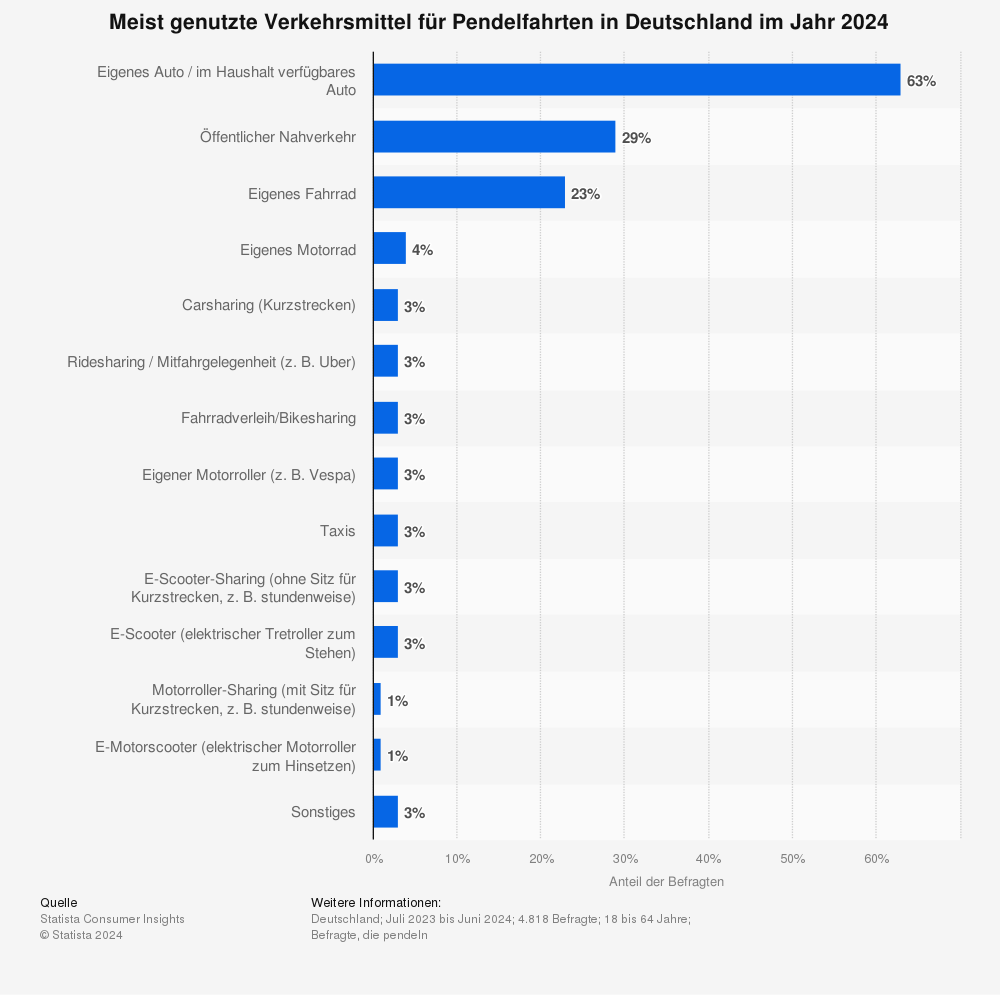

Parkplätze für Mitarbeitende gehören zu den beliebtesten betrieblichen Zusatzleistungen. Mehr zum Mitarbeiterparkplatz als Benefit sowie zu den laufenden Kosten für Mitarbeiterparkplätze lesen Sie in unseren vertiefenden Ratgebern. Wie Sie die Parkplätze im Unternehmen fair und diskriminierungsfrei verteilen, lesen Sie in unserem Ratgeber zur Parkplatzverteilung. Doch sobald ein Unternehmen Parkraum bereitstellt, stellt sich die Frage: kostenlos oder gegen Gebühr? Beide Modelle haben rechtliche, steuerliche und organisatorische Konsequenzen, die Unternehmen vor der Entscheidung kennen sollten.
Sollte man Mitarbeitern kostenlose Parkplätze anbieten oder Gebühren verlangen?
Should companies provide free parking for their employees or charge a fee? This question is a source of concern for many business owners. After all, there are several legal requirements to consider, and factors such as employee satisfaction and the cost of maintaining parking spaces also play a significant role in the decision.The following section explains the legal and tax requirements for charging for parking, outlines the options for parking management, and lists the advantages and disadvantages of free and paid employee parking.
What legal and tax regulations apply to employee parking spaces?
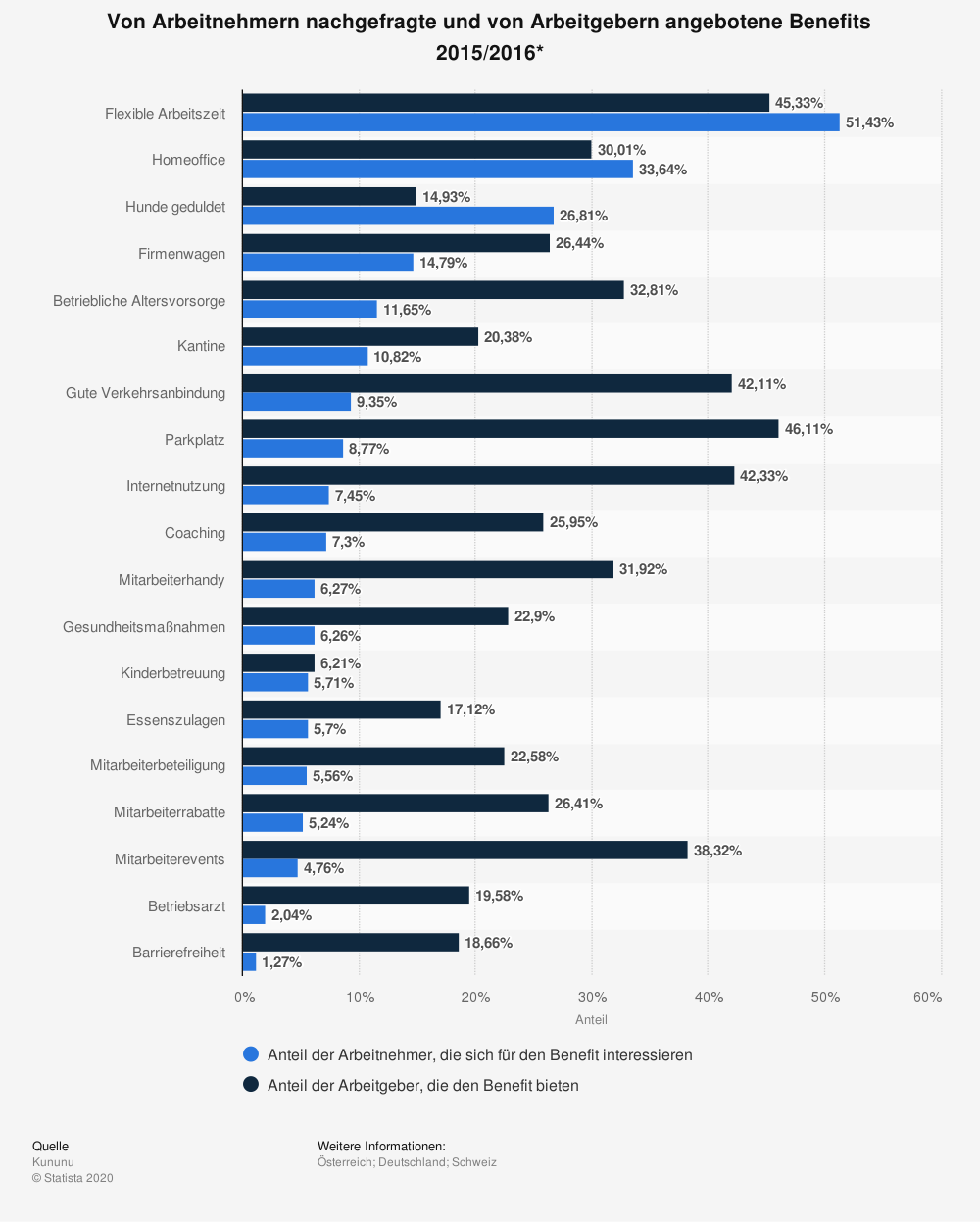
Zunächst stellt sich die Frage, ob der Arbeitgeber rechtlich dazu verpflichtet ist, Mitarbeiterparkplätze für seine Angestellten zur Verfügung zu stellen. Kurz gesagt: Nein. Es gibt von Rechtswegen her keinen Anspruch von Arbeitnehmern auf einen Mitarbeiterparkplatz. Doch es gibt eine Ausnahme: Ist der Arbeitsplatz mit öffentlichen Verkehrsmitteln in der Praxis, d.h. beispielsweise mit öffentlichen Verkehrsmitteln, nicht zu erreichen, liegt es in der Fürsorgepflicht des Arbeitgebers, seinen Mitarbeitern Parkplätze bereit zu stellen.Nicht zu unterschätzen ist allerdings die positive Wirkung eines Mitarbeiterparkplatzes für das Employer Branding eines Unternehmens. In Deutschland, Österreich und der Schweiz bieten 46% der Arbeitgeber diesen Benefit laut einer Studie an, und immerhin über 8% der Arbeitnehmer interessieren sich dafür. Da kann es sich als Arbeitgeber lohnen, auf firmeneigene Stellplätze für die Mitarbeiter zu setzen, um wettbewerbsfähig zu bleiben.
Two factors are key to determining the tax implications of an employee parking space:
- Is the parking lot located on the company premises?
- Will it be made available to employees for free, or will they have to pay for it?
Grundsätzlich steuerfrei sind kostenlose Mitarbeiterparkplätze, die sich auf dem Firmengelände befinden. Zwar gibt es ein Urteil des Finanzgerichts Köln, dass auch für eine unentgeltliche Überlassung von Parkplätzen Lohnsteuer und Sozialversicherungsbeiträge anfallen, welches aber nicht mehr praktiziert wird.
What taxes apply to employee parking spaces that require a fee?
If employees contribute toward the cost of the parking spaces they use, companies must keep two tax obligations in mind:
- Sales Tax: It is always due for a paid employee parking space, regardless of whether the parking space is located on company property or just nearby.
- Income Tax: In many cases, providing employees with a parking space may also result in an income tax liability. This is because many tax authorities classify parking spaces as a “benefit in kind.” Even greater caution is warranted if the parking space in question is not located in the immediate vicinity of the company, as this suggests that it is also—or even primarily—used for private purposes. The same applies if the parking spaces are available only to a select group of people, such as management.
What factors influence the decision to pay or not pay parking fees?
Several factors play a key role in how companies make decisions regarding employee parking:
- Past Practice: Often, companies simply stick with a tried-and-true method. It’s only when a move to a different building or a renovation is on the horizon that the question of whether employee parking should be free or subject to a fee is revisited. In addition, many companies would face backlash if they suddenly began charging for parking spaces that had previously been free, unless such a change were justified by, for example, a relocation.
- Workers' Council Decision: In companies with a works council, the council has a say in matters concerning employee parking spaces. The terms of use for the parking spaces must therefore be agreed upon with the works council.
- Number of employees and parking spaces: How many employees does a company actually have, and how many parking spaces are available to them? How do employees actually get to work? The answers to these questions also influence whether a company decides to charge fees for employee parking or not. According to the results of a study, most employees in Germany commute to work in their own cars. Conversely, this also means that these cars need a parking space.
- Employer Branding: Free employee parking can boost employee satisfaction and is a popular benefit that many employers want to offer their employees.
Ob kostenlos oder gegen Gebühr: Entscheidend ist, dass Ihre Parkplatzregelung bei den Mitarbeitenden gut ankommt. Worauf es dabei ankommt, zeigt unsere kostenlose Checkliste für zufriedene Mitarbeitende.
What billing models are available for employee parking spaces?
Entscheidet sich ein Unternehmen für gebührenpflichtige Mitarbeiterparkplätze, gibt es verschiedene Lösungsansätze für die Parkraumbewirtschaftung. Es ist lohnenswert, sich zunächst darüber zu informieren, wie die eigenen Mitarbeiter die Stellplätze nutzen, um dann eine adäquate Abrechnungsmethode zu finden.
- Monthly fee for a reserved parking space: Do your employees drive to work almost every day? If so, a monthly fee is likely the best option in many cases. Employees can count on finding a parking space, and billing is quite straightforward.
- Abrechnung nach Nutzung: Diese Abrechnungsmethode ist insbesondere für Unternehmen interessant, in denen nicht alle Mitarbeiter täglich mit dem Auto zur Arbeit kommen - sei es, weil sie im Außendienst unterwegs sind, regelmäßig im Home Office arbeiten oder in mehreren Filialen eingesetzt werden. Der Vorteil: Die Mitarbeiter zahlen nur für die tatsächliche Nutzung ihres Parkplatzes, darüber hinaus kann der Parkraum flexibler ausgelastet werden. Moderne Lösungen wie digitale Parkraumbewirtschaftungssysteme können Unternehmer bei Organisation und Abrechnung unterstützen.
What are the arguments in favor of free employee parking spaces, and what are the arguments in favor of paid ones?
As with most options, there are pros and cons to charging employees for parking. The decision a company ultimately makes is a matter of weighing the factors mentioned above on a case-by-case basis. Below, we have summarized the advantages of each option.Here's why free parking for employees is a good idea
- Parking as an Employee Benefit: Especially when parking is tight around the workplace, a free parking spot for employees is an attractive benefit that strengthens the employer’s image. A survey by the Kununu platform found that parking ranks among the top 10 benefits that employees value most in an employer. Employees who rely on their cars for daily transportation—for example, to drop off their children at school or daycare before work—are particularly grateful for such an offer.
Figure 2: A study by the Kununu portal shows that parking is one of the top 10 benefits employees want from their employer.
- Employee Expectations: As a general rule, employees are generally reluctant to pay for parking. This is even more true when a company initially offers its employees free parking and then introduces a fee. Sometimes, however, this is unavoidable—for example, if operating costs for parking spaces rise or a relocation changes the terms of availability. In such cases, employee acceptance can be gained if the revenue generated is reinvested accordingly. Examples of this include:
- a charging infrastructure for electric cars that is made available to parking lot users
- Donations to Charitable Causes
- Parties or company outings for employees
- A New Perspective on Driving: Especially for companies with good access to public transportation, charging fees for employee parking spaces—for example, fees equivalent to public transportation fares—can prompt employees to consider whether it really makes sense to drive to work. Many might then switch to public transportation. Initiatives such as carpooling can also be encouraged by providing designated parking spaces as an alternative.
- Guaranteed Parking: For many employees, a guaranteed parking space for their car is definitely worth a certain amount each month. After all, it reduces stress and means they don’t have to factor in extra time to find a parking spot on their way to work.
Conclusion: Paid company parking is a matter of weighing the pros and cons
In general, employers may charge fees for providing employee parking spaces; however, the works council has a say in the matter. Before a company decides for or against charging parking fees, it should consider the tax implications as well as the impact on employees. There is no universally applicable “best practice” solution; rather, it is a decision that each employer must make on a case-by-case basis.Wer sich für kostenpflichtige Mitarbeiterparkplätze entscheidet, ist nicht auf monatliche Vermietung angewiesen. Auf dem Markt etablieren sich inzwischen smarte Lösungen, die einerseits eine optimale Auslastung von Firmenparkplätzen ermöglichen und andererseits die Kosten der Mitarbeiter auf die tatsächliche Parkdauer beschränken. Mit der Parkplatzmanagement-App reservieren Mitarbeitende ihren Firmenparkplatz in wenigen Klicks.
Häufig gestellte Fragen zu kostenlosen und kostenpflichtigen Mitarbeiterparkplätzen
Sind kostenlose Mitarbeiterparkplätze steuerfrei?
Ja, kostenlose Mitarbeiterparkplätze auf dem Firmengelände sind grundsätzlich steuerfrei.
Welche Steuer fällt bei kostenpflichtigen Parkplätzen in jedem Fall an?
Umsatzsteuer, unabhängig davon, ob sich der Parkplatz auf dem Firmengelände oder in der Nähe befindet.
Muss der Betriebsrat bei der Einführung von Parkgebühren zustimmen?
Ja, der Betriebsrat hat ein Mitspracherecht bei den Nutzungsbedingungen für Mitarbeiterparkplätze.
Welche Abrechnungsmodelle sind für Mitarbeiterparkplätze üblich?
Eine monatliche Pauschale für einen festen Stellplatz oder eine nutzungsabhängige Abrechnung, die sich bei wechselnder Anwesenheit im Büro besser eignet.
Sie möchten Ihre Parkplatzregelung so gestalten, dass sie die Zufriedenheit im Team stärkt? Laden Sie unsere kostenlose Checkliste für zufriedene Mitarbeitende herunter.