

Table of Contents
- Muss der Arbeitgeber Parkplätze bereitstellen?
- What is the legal basis for managing company parking lots?
- How can the works council be involved in parking management?
- Was ist dem Betriebsrat bei der Parkplatzvergabe wichtig?
- Warum sollte der Betriebsrat als Verbündeter gewonnen werden?
- Wie überzeugt man den Betriebsrat von einem neuen Parkraumsystem?
- Wie sollte der Betriebsrat bei der Parkraumbewirtschaftung eingebunden werden?
- Häufig gestellte Fragen zur Mitbestimmung bei Firmenparkplätzen
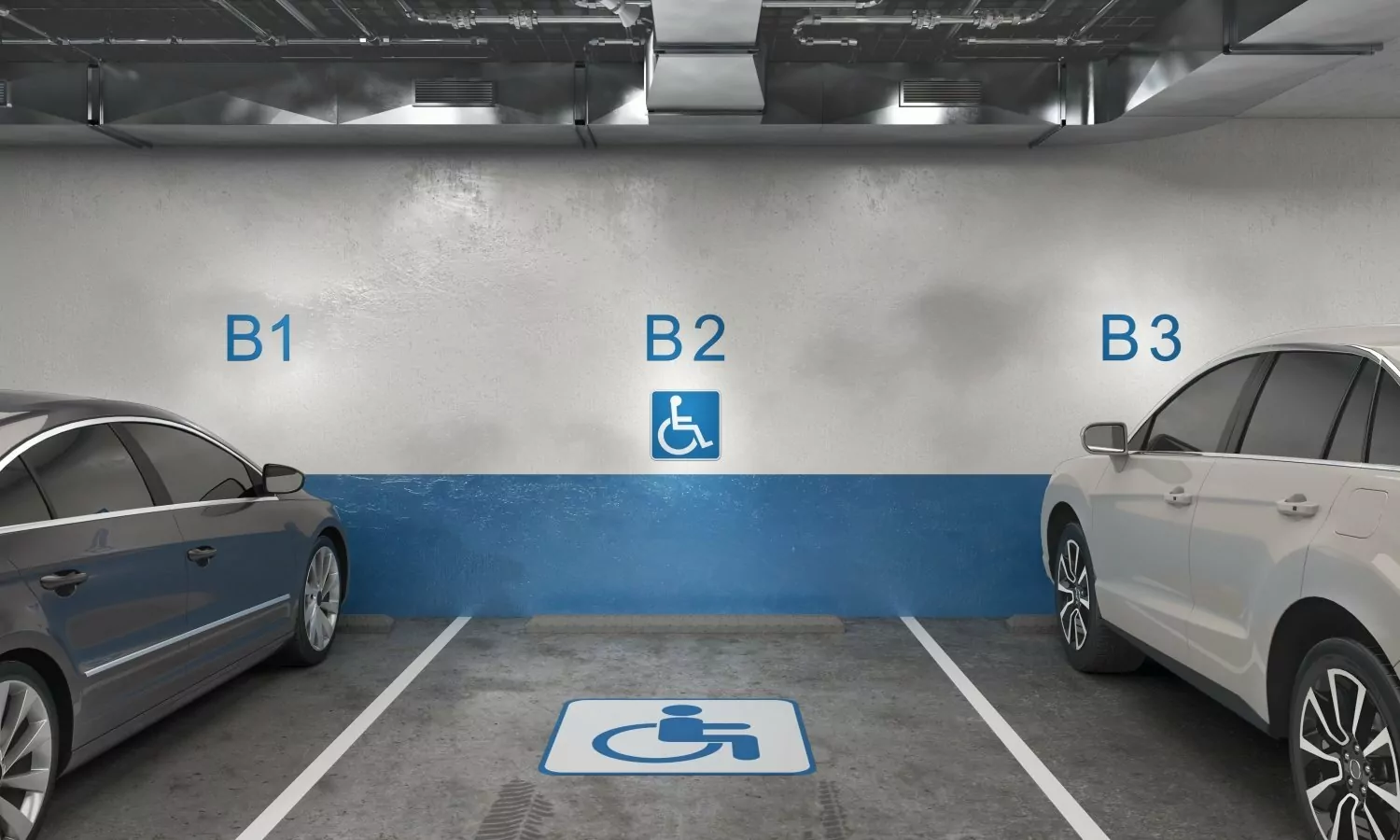
When it comes to managing company parking lots, the works council has a statutory right of co-determination under Section 87 of the Works Constitution Act (BetrVG). Employers may freely allocate parking spaces and charge fees, but must coordinate such decisions with the works council. Employees with severe disabilities are entitled to accessible parking spaces.
Muss der Arbeitgeber Parkplätze bereitstellen?
Nein, grundsätzlich ist der Arbeitgeber nicht verpflichtet, Mitarbeitenden einen Parkplatz bereitzustellen. Eine solche Pflicht kann sich jedoch aus einer Betriebsvereinbarung, einem Tarifvertrag oder einzelnen Sonderfällen ergeben. Wie Sie knappe Firmenparkplätze rechtssicher und fair verwalten, erfahren Sie in diesem Beitrag.Ob Start-Up, mittelständischer Betrieb oder Großkonzern: Jedes Unternehmen mit zentraler Arbeitsstätte muss sich heute mit der Frage "Wo parken die Angestellten?" auseinandersetzen. Schließlich kommen laut einer Studie trotz Klima-Debatte und Mobilitätswende nach wie vor zwei Drittel aller Erwerbstätigen mit dem Auto zur Arbeit, und die fortschreitende Parkraumverknappung in den Städten macht die Parkplatzsituation immer prekärer. Unternehmen tun daher gut daran, für betriebsinterne Parkmöglichkeiten zu sorgen. Immerhin zählt der Wunsch nach einem Firmenparkplatz laut Umfragen zu den Top-Ten der wichtigsten Arbeitnehmerbedürfnisse – noch vor dem Wunsch nach freier Internetnutzung am Arbeitsplatz.
What is the legal basis for managing company parking lots?
Welche Bedeutung das Parken am Arbeitsplatz für Arbeitnehmer hat, lässt sich schon daran ablesen, dass deswegen immer wieder vor Gericht gezogen wird. Seit den Sechziger Jahren sind im Zusammenhang mit Firmenparkplätzen viele unterschiedliche Sachverhalte verhandelt worden – von der Rechtmäßigkeit von Parkgebühren bis hin zu der Streitfrage, ob ausgewiesene Frauenparkplätze eine Diskriminierung von männlichen Angestellten darstellen. Die wichtigsten Grundsatzurteile sind diese:
Haben Arbeitnehmer ein Recht auf Firmenparkplätze?
Grundsätzlich ist kein Arbeitgeber verpflichtet, seinen Angestellten Parkplätze zur Verfügung zu stellen. Etwas anderes gilt nur dann, wenn die Arbeitsstätte mit öffentlichen Verkehrsmitteln praktisch nicht zu erreichen ist. Schwerbehinderte Arbeitnehmer haben aber Anspruch auf eine behindertengerechte Arbeitsumgebung – das kann die Schaffung von Parkmöglichkeiten einschließen.
Sind Parkgebühren zulässig?
Wenn ein Arbeitgeber Firmenparkplätze bereitstellt, darf er für deren Nutzung Geld verlangen. Ob die Parkplätze angemietet sind oder zum Betriebsgelände gehören, spielt dabei keine Rolle. Sogar dann, wenn die Firmenparkplätze anfangs kostenfrei waren, dürfen später Gebühren erhoben werden – allerdings muss der Arbeitgeber die „betriebliche Übung" des kostenfreien Parkens zunächst kündigen (LAG Ba-Wü, Az. 1 Sa 17/13).
Ist die Parkplatzzuteilung Arbeitgebersache?
Der Arbeitgeber darf Firmenparkplätze grundsätzlich so verteilen, wie er möchte – mit zwei wichtigen Einschränkungen. Erstens: Der Betriebsrat hat ein starkes Mitbestimmungsrecht. Zweitens: Das Allgemeine Gleichbehandlungsgesetz (AGG) muss beachtet werden.
How can the works council be involved in parking management?
Laut Betriebsverfassungsgesetz ist in einem Unternehmen alles, was thematisch zur Ordnung des Betriebs und zum Verhalten der Arbeitnehmer im Betrieb gehört, mit dem Betriebsrat abzustimmen (vgl. § 87 BetrVG). Dazu gehört auch die Frage, wo und wie die Angestellten ihre Fahrzeuge auf Firmenparkplätzen abstellen können. Wenn es im Unternehmen einen Betriebsrat gibt, sollte dieser also in alle Entscheidungen rund um das Thema Parkplätze einbezogen werden. Dieses Vorgehen ist nicht nur mit Blick auf die Rechtslage sinnvoll: Da der Betriebsrat üblicherweise die erste Anlaufstelle bei Streitigkeiten um den Parkplatz ist, sollte er die Hintergründe für getroffene Regelungen kennen. Zudem hat der Betriebsrat in der Regel einen besseren Draht zu den Mitarbeitern als die Geschäftsleitung – daher kann er erklärungsbedürftige Entscheidungen häufig besser kommunizieren.
Was ist dem Betriebsrat bei der Parkplatzvergabe wichtig?
Der Betriebsrat nimmt generell die Interessen der Arbeitnehmer gegenüber dem Unternehmen wahr. Des Weiteren ist es seine Aufgabe, Gleichbehandlung sicherzustellen und dafür zu sorgen, dass einzelne Arbeitnehmer oder Arbeitnehmergruppen nicht unangemessen benachteiligt werden. Letzteres kann im Zusammenhang mit der Parkplatzorganisation zu Konflikten mit der Geschäftsleitung führen – zum Beispiel, wenn Führungskräfte bei der Parkplatzvergabe bevorzugt werden. In einem solchen Fall gilt es, dem Betriebsrat die Gründe für diese Vergabepraxis schlüssig darzulegen und eine Einigung zu finden. Faktisch ist es Unternehmen nicht grundsätzlich verboten, Parkplätze gemäß der Firmenhierarchie zu vergeben. Der Betriebsrat muss mit diesem Vergabeverfahren aber einverstanden sein.
Warum sollte der Betriebsrat als Verbündeter gewonnen werden?
Bei Entscheidungen zur Parkplatzordnung sollte deshalb jede Geschäftsleitung darum bemüht sein, den Betriebsrat als Verbündeten zu gewinnen. Ziehen Betriebsrat und Geschäftsleitung an einem Strang, so ist das Unternehmen gegen mögliche Ärgernisse auf dem Firmenparkplatz gewappnet – Klagen von einzelnen Arbeitnehmern gegen die gemeinsam getroffenen Entscheidungen haben dann nur mäßige Aussicht auf Erfolg. So konnte zum Beispiel eine Klinik, die gebäudenahe Parkplätze bevorzugt an weibliche Mitarbeiter vergab, die Klage eines männlichen Mitarbeiters abwehren. Der Mann empfand die Bevorzugung von Frauen als unfair und verlangte eine geschlechtsunabhängige Vergabepraxis. Er wurde abgewiesen: Da die Stellplatzvergabe-Regelung „Frauen vor Männern" mit dem Betriebsrat abgestimmt worden war und da Frauen erwiesenermaßen häufiger Opfer von gewaltsamen Übergriffen sind, durfte die Klinik diesen Vergabeprozess bei den Mitarbeiterparkplätzen beibehalten (Az. 10 Sa 314/11).
Wie überzeugt man den Betriebsrat von einem neuen Parkraumsystem?
Gesetzt den Fall, Unternehmen stellen den Mitarbeitern in ihrem Betrieb Parkraum zur Verfügung und die Parkplatzsituation hat sich durch Personalaufstockungen zunehmend verschlechtert. Nun sollen Maßnahmen ergriffen werden, die knappen Parkplätze effizient zu bewirtschaften. So erreichen Parkraummanager, dass der Betriebsrat mitzieht:Wie schafft man Problembewusstsein beim Betriebsrat?
„Die Stellplätze sind knapp, wir müssen etwas tun" – ein derartiges Statement reicht nicht, um den Betriebsrat zu überzeugen. Wenn Parkraummanager im Unternehmen die Parkplatzorganisation umkrempeln wollen, müssen dem Betriebsrat plausible Gründe und Argumente geliefert werden. Dabei sollte erklärt werden, inwiefern der Parkplatzmangel ein betriebswirtschaftliches Problem darstellt: Die Verspätungen bei Mitarbeitern häufen sich und der Betriebsfrieden ist durch Verteilungskämpfe gefährdet. Auch Statistiken zur Parkraumauslastung können hier als Argumentationsgrundlage dienen.
Kostenlose Checkliste: Parkplatzprobleme identifizieren Mit welchen Argumenten überzeugen Sie Ihren Betriebsrat? Mit unserer Checkliste erkennen Sie, wo auf Ihrem Firmenparkplatz Engpässe entstehen, und haben die Fakten für das Gespräch parat. Hier herunterladen!
Wie zeigt man mögliche Lösungen auf und bewertet sie?
Parkraumverantwortliche sollten darlegen, dass es verschiedene Möglichkeiten gibt, Abhilfe zu schaffen. Eine Möglichkeit wäre, die Bildung von Fahrgemeinschaften anzuregen, oder zusätzliche Parkplätze anzumieten. Eine andere Möglichkeit besteht darin, ein neues Parkplatzmanagementsystem einzuführen. Bewertet werden sollten dabei auch die Möglichkeiten zur Lösung der Parkraumproblematik, denn Betriebsräten ist eine langfristige Zielwirksamkeit und Abwägung wichtig. Beratungen für Ihren Parkraum und digital gesteuerte Stellplatzvergabesysteme werden von spezialisierten Unternehmen und Start-ups wie ParkHere angeboten.
Welche Vorteile sollten für die Mitarbeiter herausgestellt werden?
Parkraummanager sollten die Vorteile der bevorzugten Lösungen für die Belegschaft darstellen. Diese liegt Geschäftsleitung und Betriebsrat am Herzen und ist maßgeblicher Faktor, wenn es um eine erfolgreiche Implementierung geht. Daher sollten sie beispielsweise die Vorteile der digitalen Parkraumbewirtschaftung erläutern: Ein digital gesteuertes Stellplatzvergabesystem kostet weniger als zusätzlicher Parkraum und sichert zudem mehr Mitarbeitern Parkplätze zu – nicht nur denen, die Parkplatzmietverträge haben. Dadurch entfallen mögliche Wartelisten. Zudem können nicht benötigte Stellplätze anderweitig vergeben werden, wenn Mitarbeiter im Urlaub oder auf Fortbildung sind.
Welche Bedenken sollte man selbst thematisieren und ausräumen?
Im Vorfeld sollte überlegt werden, welche Bedenken der Betriebsrat haben könnte. Bestenfalls thematisieren die Verantwortlichen des Parkraummanagements diese dann selbst. Das Thema faire Parkplatzvergabe ist beispielsweise wichtig. Kommt die neue Parkplatzorganisation wirklich allen Mitarbeitern zugute, oder würden Führungskräfte bevorzugt werden? Auch das Thema Datenschutz findet beim Betriebsrat immer Anklang: Wie gehen beispielsweise Parksystem-Anbieter mit personenbezogenen Daten wie eingescannten Nummernschildern um? Letztlich ist auch das Thema Kosten ausschlaggebend: Sind die Kosten für das innerbetriebliche Parken nach der Einführung des neuen Systems noch im Rahmen? Vorab sollten die „Hausaufgaben" gemacht sein: Informationen auf den Webseiten der Parksystem-Anbieter über die Modalitäten gehören genauso dazu wie Mitarbeiterumfragen. Wie viele Mitarbeiter sind an Firmenparkplätzen interessiert? Welche Parktarifhöhe wird akzeptiert? Wie viel Zeit verbringen Mitarbeiter morgens mit der Parkplatzsuche? Eine souveräne Aufwartung mit Zahlen, Daten und Fakten wird den Betriebsrat bei der Neuorganisation des Parkplatzmanagements überzeugen.
Wie sollte der Betriebsrat bei der Parkraumbewirtschaftung eingebunden werden?
Firmenparkplätze bieten viele Vorteile, sowohl für Arbeitgeber als auch für Arbeitnehmer. Bei Stellplatzmangel kann es – je nach Vergabepraxis – zu Konflikten kommen. Dann gilt es, Abhilfemaßnahmen, wie zum Beispiel die Einführung eines digital gesteuerten Parkraumbewirtschaftungssystems, zu schaffen. Diese müssen dann mit dem Betriebsrat abgestimmt werden. Sinn dieser rechtlichen Vorgabe ist die Sicherstellung der Verteilungsgerechtigkeit. Der Betriebsrat sollte daher in puncto Parkplatzorganisation nicht als Gegner angesehen werden, sondern als neutrale Instanz, die dabei helfen kann, richtige Entscheidungen zu fällen und die Interessen von Unternehmen und Mitarbeitern gleichermaßen zu berücksichtigen. Gegen die Einführung von Abhilfemaßnahmen wie einer digitalen Parkraumbewirtschaftung wird der Betriebsrat im Normalfall keine Einwände haben, solange sie fair, transparent und sozialverträglich sind. Schon etliche Unternehmen, darunter Großkonzerne wie Henkel oder Telefónica, haben sich für diese moderne Form der Parkplatzorganisation entschieden und damit gute Erfahrungen gemacht.Kostenlose Checkliste: Parkplatzprobleme identifizieren Bereiten Sie die Neuorganisation Ihrer Firmenparkplätze gut vor. Die Checkliste zeigt Ihnen Schritt für Schritt, wo Ihr Parkraum heute an seine Grenzen stößt. Hier herunterladen!
Häufig gestellte Fragen zur Mitbestimmung bei Firmenparkplätzen
Muss der Arbeitgeber Parkplätze zur Verfügung stellen? Grundsätzlich ist kein Arbeitgeber verpflichtet, Parkplätze bereitzustellen. Eine Ausnahme gilt, wenn der Arbeitsplatz mit öffentlichen Verkehrsmitteln praktisch nicht erreichbar ist. Schwerbehinderte Arbeitnehmer haben zudem unter Umständen Anspruch auf einen behindertengerechten Parkplatz.Darf der Arbeitgeber Geld für den Parkplatz verlangen?
Ja. Stellt der Arbeitgeber Parkplätze bereit, darf er dafür Gebühren verlangen, unabhängig davon, ob die Fläche gemietet ist oder zum Betriebsgelände gehört. Waren die Plätze zunächst kostenfrei, muss der Arbeitgeber diese Praxis erst offiziell kündigen, bevor er Gebühren einführt.
Hat der Betriebsrat ein Mitspracherecht bei der Parkplatzvergabe?
Ja, der Betriebsrat hat ein Mitbestimmungsrecht bei der Organisation der Parkplatzvergabe. Zusätzlich muss der Arbeitgeber das Allgemeine Gleichbehandlungsgesetz (AGG) beachten, etwa bei der Auswahl der Vergabekriterien.
Dürfen Frauenparkplätze aus Sicherheitsgründen bevorzugt vergeben werden?
Ja, das haben Gerichte bereits bestätigt, sofern die Regelung mit dem Betriebsrat abgestimmt wurde – Frauen sind statistisch häufiger Opfer gewaltsamer Übergriffe, was diese Ungleichbehandlung rechtfertigt.
Was ist bei der Einführung eines digitalen Parksystems für den Betriebsrat besonders wichtig?
Vor allem die Themen Fairness bei der Vergabe, Datenschutz beim Umgang mit erfassten Kennzeichen und die Gesamtkosten des Systems für die Belegschaft.
Sie möchten mehr erfahren? Wir freuen uns auf den Austausch!